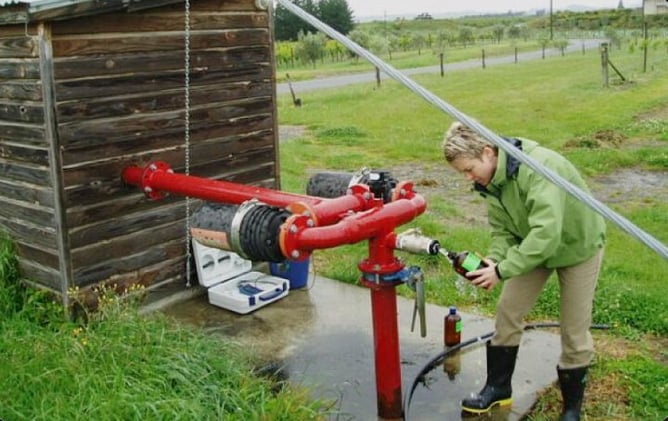
If you're looking for a reliable and long-term water supply for your home, farm, commercial property, or rural development, water bore drilling New Zealand is one of the smartest investments you can make. A professionally installed water bore provides independent access to clean groundwater, helping reduce reliance on municipal water supplies while delivering a dependable source of water throughout the year.
Whether you're building a new home, managing a lifestyle block, or operating an agricultural business, understanding how water bores work and what the drilling process involves will help you make informed decisions.
In this guide, we'll explain everything you need to know about water bore drilling in New Zealand—from how groundwater is accessed to drilling costs, permits, and selecting the right drilling contractor.
What Is Water Bore Drilling?
Water bore drilling is the process of drilling deep into the ground to reach underground aquifers that store naturally filtered groundwater. Once an aquifer is reached, a durable casing is installed to stabilise the bore and prevent contamination from surface water.
A pump is then installed to draw groundwater to the surface where it can be used for:
· Household water supplies
· Livestock watering
· Irrigation systems
· Commercial operations
· Industrial processes
· Rural developments
Groundwater is often cleaner and more reliable than surface water because it has been naturally filtered through layers of soil and rock.
How Does a Water Bore Work?
A water bore functions by tapping into underground water-bearing rock or gravel layers known as aquifers.
The basic process includes:
1. Site assessment and groundwater evaluation.
2. Drilling to the required depth.
3. Installing steel or PVC casing.
4. Placing a well screen where water enters the bore.
5. Developing and cleaning the bore.
6. Pump testing to measure water yield.
7. Installing the pump and water delivery system.
The depth of each bore varies considerably depending on local geology. Some properties may find reliable water at relatively shallow depths, while others require significantly deeper drilling.
An experienced drilling contractor understands local geological conditions and can recommend the most suitable drilling approach for your property.
The Water Bore Drilling Process
Professional water bore drilling New Zealand projects typically follow several important stages.
1. Site Assessment
Before drilling begins, contractors review:
· Property location
· Geological information
· Existing nearby bore records
· Groundwater availability
· Intended water usage
This information helps determine the most suitable drilling location and expected bore depth.
2. Obtaining Permits
Depending on your region and intended water use, permits or resource consents may be required before drilling can commence.
Requirements vary between regional councils, with some councils requiring bore permits, registration, or resource consent depending on factors such as bore construction and the volume of groundwater to be taken. Always check local council requirements before commencing work. (Gisborne District Council)
3. Drilling
Using specialised drilling rigs, contractors drill through soil, clay, gravel and rock formations until reaching a productive aquifer.
Different drilling methods may be used depending on ground conditions.
4. Installing the Bore Casing
A casing is installed to:
· Prevent collapse
· Protect groundwater quality
· Keep unwanted sediments out
· Improve long-term durability
5. Bore Development
Once drilled, the bore is thoroughly cleaned to remove drilling debris and improve water flow.
6. Pump Testing
Pump testing measures:
· Water yield
· Recovery rate
· Sustainable pumping capacity
This ensures the bore will meet the property's water requirements.
7. Pump Installation
Finally, the appropriate pump and pressure system are installed to deliver water where it is needed.
How Much Does Water Bore Drilling Cost in New Zealand?
There is no single price for water bore drilling because every project is unique.
The total cost depends on factors including:
· Bore depth
· Ground conditions
· Rock hardness
· Diameter of the bore
· Pump selection
· Casing materials
· Site accessibility
· Regional council requirements
· Water testing and pump installation
While some straightforward rural installations may cost considerably less than complex deep bores, properties requiring difficult drilling conditions or greater depths will generally involve higher costs. The most accurate way to determine pricing is through a site inspection and detailed quotation from an experienced drilling contractor.
Do You Need a Permit?
Many property owners ask whether permission is required before drilling.
The answer depends on:
· Your regional council
· Intended groundwater use
· Bore location
· Daily water take
· Environmental considerations
In many parts of New Zealand, the bore itself may need to be registered or permitted, while larger groundwater takes require resource consent. Local rules differ between councils, so checking requirements early can save time and prevent delays. (Gisborne District Council)
A reputable drilling company can often assist clients throughout the approval process.
Choosing the Right Water Bore Drilling Contractor
Not all drilling companies offer the same level of expertise.
When selecting a contractor, consider:
Experience
Choose a contractor with extensive experience drilling throughout New Zealand and knowledge of local geological conditions.
Modern Equipment
Professional drilling rigs improve efficiency, safety and drilling accuracy.
Transparent Quotes
A quality contractor should clearly explain:
· Scope of work
· Expected drilling depth
· Inclusions
· Potential variables affecting cost
Local Knowledge
Understanding regional groundwater systems significantly improves the likelihood of drilling a successful bore.
End-to-End Service
Look for contractors who provide:
· Site assessments
· Bore drilling
· Pump testing
· Bore development
· Pump installation
· Ongoing support
Working with a single experienced provider helps streamline the entire project.
Benefits of Installing a Water Bore
Installing a professionally drilled water bore offers numerous long-term advantages.
These include:
· Reliable year-round water supply
· Reduced dependence on municipal water
· Lower ongoing water costs
· Excellent solution for rural properties
· Increased property value
· Sustainable access to groundwater
· Greater water security during dry periods
For farms, horticultural operations and lifestyle properties, a private bore can become an essential long-term asset.
Why Choose Buwell Drillers?
At Buwell Drillers, we specialise in professional water bore drilling New Zealand services for residential, agricultural, commercial and rural clients.
Our experienced team combines local geological knowledge with modern drilling equipment to deliver reliable groundwater solutions tailored to each property. From initial consultation and drilling through to pump testing and installation, we provide comprehensive services designed to ensure every project is completed safely, efficiently and to the highest standard.
Whether you need a new domestic water bore or a large-scale agricultural water supply, Buwell Drillers has the expertise to help.
Contact Buwell Drillers Today
If you're considering water bore drilling New Zealand, choosing an experienced contractor is the first step toward securing a dependable long-term water source.
Contact Buwell Drillers today to discuss your property, request expert advice, and receive a tailored quotation for your water bore project.