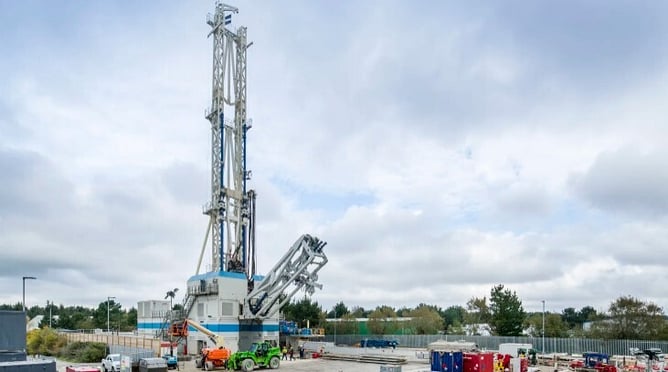
The Bay of Plenty is one of New Zealand’s most geologically active regions, making it an ideal location for geothermal energy development. From Rotorua's famous thermal landscapes to the geothermal fields around Kawerau, the region offers significant opportunities for sustainable energy production and industrial applications. Geothermal drilling plays a critical role in accessing these underground resources and supporting New Zealand’s renewable energy future. Geothermal activity in the Bay of Plenty is closely linked to the Taupō Volcanic Zone, one of the world's most productive geothermal regions.
What Is Geothermal Drilling?
Geothermal drilling involves creating deep wells that access naturally heated water and steam reservoirs beneath the Earth's surface. These geothermal resources can be used for electricity generation, industrial heating, agricultural applications, and direct heating systems.
Specialised drilling equipment is required to penetrate hard volcanic rock formations while withstanding high temperatures and pressures. Depending on the project, geothermal wells may extend several hundred metres to over 3,000 metres underground.
Why the Bay of Plenty Is Ideal for Geothermal Development
The Bay of Plenty sits within a highly active geothermal corridor that includes Rotorua, Kawerau, and surrounding geothermal fields. The region has a long history of geothermal use, with commercial development dating back to the 1950s. Geothermal wells drilled near Kawerau have supported industrial operations and renewable electricity generation for decades.
Key advantages of geothermal drilling in the Bay of Plenty include:
· Abundant geothermal resources
· Reliable renewable energy production
· Reduced carbon emissions compared to fossil fuels
· Long-term energy security
· Industrial process heating opportunities
· Potential for agricultural and horticultural applications
Geothermal energy operates continuously, unlike solar or wind power, making it a dependable source of renewable energy.
The Geothermal Drilling Process
Every geothermal drilling project begins with detailed geological and geophysical investigations. Specialists assess underground structures, temperature gradients, and geothermal reservoir characteristics before drilling begins.
The typical process includes:
1. Site assessment and resource evaluation
2. Environmental and regulatory approvals
3. Exploration drilling
4. Production well drilling
5. Testing and reservoir monitoring
6. Ongoing maintenance and optimisation
Exploration wells provide valuable information about subsurface temperatures and geothermal potential, helping determine whether a site is commercially viable.
Applications of Geothermal Energy
Geothermal resources accessed through drilling can be used for a wide range of purposes:
· Electricity generation
· Industrial manufacturing processes
· Greenhouse heating
· Timber drying
· Aquaculture
· District heating systems
In the Bay of Plenty, geothermal energy has played a major role in supporting industry and local economic development, particularly around Kawerau.
Choosing an Experienced Geothermal Drilling Contractor
Geothermal drilling requires extensive technical expertise, specialised equipment, and a thorough understanding of local geological conditions. Working with an experienced drilling contractor ensures projects are completed safely, efficiently, and in compliance with environmental regulations.
Professional drilling teams can assist with exploration, production well development, groundwater management, and ongoing maintenance, helping clients maximise the value of geothermal resources.
Frequently Asked Questions
How deep are geothermal wells in the Bay of Plenty?
Depth varies depending on the geothermal resource, but production wells can exceed 3,000 metres in some geothermal fields.
Is geothermal energy renewable?
Yes. When managed responsibly, geothermal energy is considered a renewable and sustainable energy source.
What industries benefit from geothermal drilling?
Industries including electricity generation, forestry, agriculture, manufacturing, and aquaculture can all benefit from geothermal energy resources.
Is geothermal drilling environmentally friendly?
Compared to fossil fuels, geothermal energy produces significantly lower emissions and provides a reliable source of renewable energy. Proper resource management is essential for long-term sustainability.
Why is the Bay of Plenty suitable for geothermal projects?
The region's location within the Taupō Volcanic Zone provides access to extensive geothermal resources and established geothermal infrastructure.